
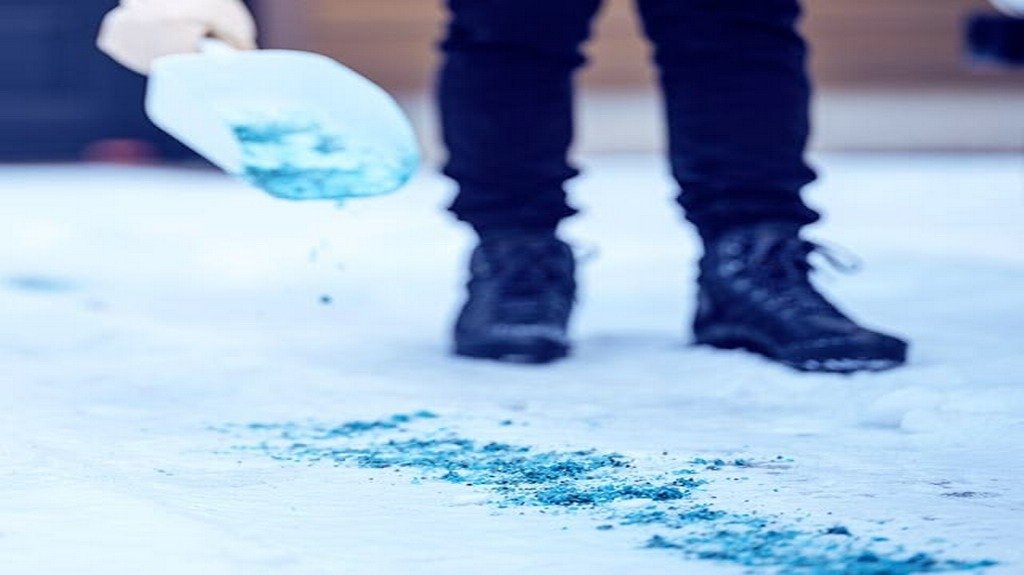
Many property owners assume winter hazards only appear when heavy snow blankets the ground, but what weather conditions trigger ice monitoring without snowfall? Ice formation often catches people by surprise during dry days, cold snaps, and clear nights. Temperature drops, dew point spreads, freezing fog, and sub-surface moisture trigger ice monitoring without snowfall. Atlantic Lawn & Snow provides specialized property care to keep walkways safe during these hidden winter events.
What meteorological conditions cause ice to form without snowfall?
Weather dynamics often create severe slip hazards when the sky is completely clear of precipitation. Rapid temperature swings across the freezing mark trap residual moisture on asphalt and concrete surfaces. When daytime warmth melts frost or leftover precipitation, standing water has nowhere to go. Nighttime temperature drops then turn that trapped moisture into transparent sheets of ice.
Net radiative cooling on clear nights drops pavement temperatures far below the ambient air temperature. Ground objects lose heat rapidly into space without clouds to trap thermal energy. This process causes parking lots and driveways to freeze even when standard weather forecasts report temperatures above zero.
Atmospheric and surface temperature triggers
Air temperatures hovering near zero often mask the true danger of sub-zero pavement conditions below. Terrestrial radiation cools ground objects much faster than the surrounding air a few feet above. Sub-surface freezing gradients cause immediate moisture bonding upon contact with hard surfaces. Property managers must track ground temperatures rather than relying on standard air readings.
Humidity and dew point factors
Dew point depressions converging with sub-zero air temperatures create severe invisible hazards. Direct frost deposition turns invisible water vapor into solid ice crystals on cold ground. Heavy hoar frost formation compresses into slick layers under foot and vehicle traffic.
How do fog and subsurface moisture create hidden ice hazards?
Secondary weather phenomena generate dangerous ice patches without any falling snow or rain. Advection and freezing fog events bring supercooled water droplets that freeze instantly upon contact with cold ground. Capillary action pulls hidden moisture up through soil and paving materials during freeze-thaw cycles.
Freezing fog and marine air impacts
Supercooled liquid droplets freeze on contact with cold asphalt during heavy fog events. High relative humidity levels exceeding 85% saturate the chilly air with suspended moisture. Marine air masses colliding with cold continental air in river valleys generate persistent low-level mist.
Subsurface water and drainage problems
Capillary action moves moisture through porous sub-base gravels right to the surface. Daytime meltwater runoff pools in low spots and refreezes overnight into solid sheets. Frost heaving creates cracked pavement that holds standing water and expands hazard zones.
Comparison of weather triggers and resulting ice types
| Weather Trigger | Pavement Condition | Resulting Ice Type |
|---|---|---|
| Clear night radiative cooling | Rapid surface heat loss | Black ice |
| High humidity fog | Sub-zero supercooled droplets | Rime ice glaze |
| Daytime melt runoff | Standing water pools | Overnight refreeze sheets |
How do property managers track and prevent non-snow ice risks?
Proactive property management requires monitoring precise environmental metrics instead of waiting for snow accumulation reports. Weather-monitored dispatch systems help crews apply preventive treatments before slip hazards develop. Atlantic Lawn & Snow utilizes these advanced tracking methods for commercial and residential sites.
Proactive monitoring protocols
Pavement surface temperature sensors reading negative 1 degree or lower trigger immediate site alerts. Wind velocity and evaporative cooling rate tracking reveal areas experiencing accelerated heat loss. Shaded microclimates receiving zero solar radiation demand continuous winter observation.
Preventive anti-icing methods
Applying liquid sodium chloride or magnesium chloride brine early stops ice bonds from forming. Creating a chemical barrier stops moisture from bonding directly to the pavement surface. Reducing slip-and-fall liability on commercial properties protects visitors and business operations.
How Atlantic Lawn and Snow protects your property all winter long
Managing hidden ice hazards requires professional oversight and local climate expertise. Atlantic Lawn & Snow delivers dependable commercial and residential property care throughout Fredericton. The team monitors local weather conditions around the clock to deploy targeted salting, sanding, and de-icing services.
- 24/7 condition monitoring and weather-tracked dispatch systems
- Tailored salting, sanding, and anti-icing for parking lots and walkways
- Detailed service logs supporting property manager liability protection
Keeping walkways safe during dry freezes
Maintaining safe commercial and residential grounds requires constant vigilance when winter brings sub-zero temperatures without precipitation. Professional crews monitor temperature drops, humidity shifts, and frost formation around the clock to apply preventive treatments before hazards form. Property owners rely on specialized anti-icing liquids and precise meteorological tracking to prevent slip-and-fall incidents on parking lots and pathways.
FAQ’s
Why does ice form on my driveway when it did not rain or snow?
Residual moisture freezes when pavement temperatures drop below zero. Frost deposition from high humidity and narrow dew point spreads also creates ice on dry days.
What is black ice and how does it form without precipitation?
A transparent ice sheet forms from micro-condensation on cold pavement. Rapid radiative cooling on clear nights drops surface temperatures below freezing without any falling snow.
How does freezing fog create dangerous walking conditions?
Supercooled water droplets freeze instantly upon contact with cold outdoor surfaces. This process forms a thin rime ice glaze across parking lots and walkways.
Why are shaded areas more prone to ice formation in winter?
A lack of solar radiation keeps ground temperatures below freezing all day. Runoff from sunlit areas refreezes quickly upon entering these cold microclimates.
How do property managers prevent slip-and-fall risks during dry freezes?
Property managers use weather-monitored dispatch systems for proactive site checks. Applying anti-icing liquid brine before frost or black ice develops stops ice bonds entirely.