
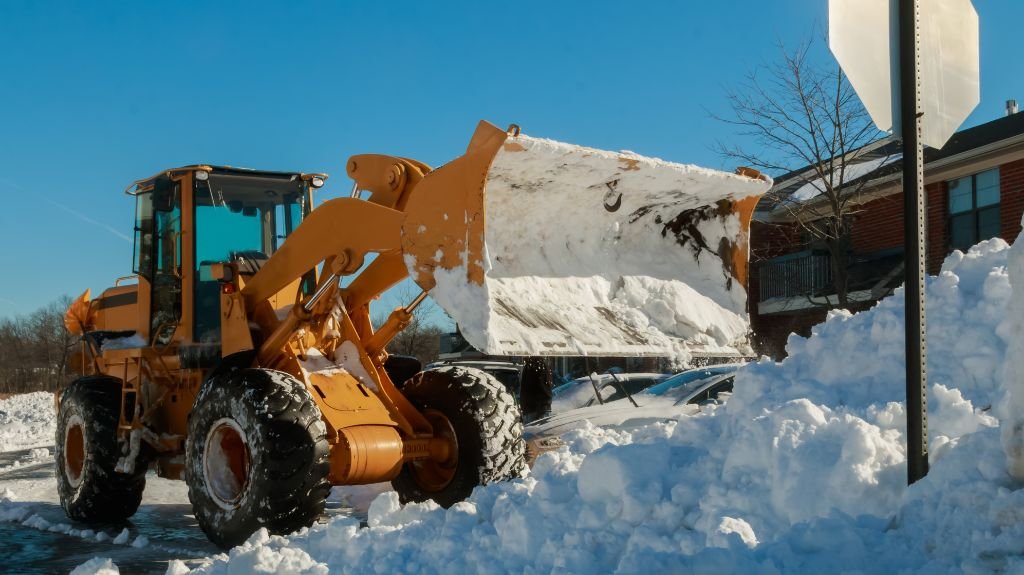
Property managers must prepare for freezing temperatures and heavy snowstorms before winter arrives to avoid blocked parking lots, angry tenants, and high legal liability. A commercial snow removal checklist for property managers before winter provides the exact steps required to keep commercial sites safe, accessible, and compliant. Planning ahead protects real estate assets and ensures business continuity during severe weather events.
Assessing site vulnerabilities and mapping high risk zones
Assessing site vulnerabilities and mapping high risk zones helps property managers identify physical hazards before snow blankets the property. Conducting a pre-winter site walk allows managers to document existing site conditions and prevent false liability claims for pre-existing damage. High-traffic entryways and loading docks require close attention during this inspection process.
Property managers must map out areas prone to black ice and poor drainage spots that pool water. Documenting these hazards helps in planning specific mitigation strategies for the upcoming season. Clear mapping prevents operators from hitting hidden obstacles with heavy machinery.
Identifying physical obstacles
Identifying physical obstacles prevents expensive damage to property infrastructure and snowplow equipment. Teams must mark raised concrete curbs and parking islands with high-visibility stakes before the ground freezes. These markers guide plow operators during heavy storms when landscape borders disappear under snow accumulation.
Locating and clearing storm drains and catch basins prevents massive sheet ice formation across parking lots. Water needs a clear path to escape during rapid freeze-thaw cycles.
Protecting fire hydrants and utility assets ensures municipal safety codes remain met throughout the winter months. Property owners face severe fines if fire department connections get blocked by snow piles.
Finalizing commercial snow removal contracts and agreements
Finalizing commercial snow removal contracts and agreements well before winter arrives secures reliable vendor support for the cold season. Waiting until the first major storm hits leaves properties at the bottom of a contractor priority list. Cold-weather regions demand proactive scheduling to guarantee timely service.
Reviewing the scope of work and pricing structures prevents mid-season disputes with service providers. Clear contract terms establish accountability for both the property owner and the snow-clearing crew.
Understanding contract terms and triggers
Understanding contract terms and triggers clarifies the exact operational standards governing winter property maintenance. Defining accumulation trigger depths between two and five centimeters ensures crews dispatch automatically without delayed phone calls. This numeric threshold removes guesswork during active storms.
Establishing clear priority clearing zones for emergency exits and main paths keeps critical areas open first. Expansive parking lots receive service right after primary pedestrian routes are cleared.
Setting up communication protocols for real-time storm updates keeps property managers informed about crew dispatch times. Direct contact channels reduce stress during severe weather events.
Preparing property infrastructure and winterizing grounds
Preparing property infrastructure and winterizing grounds protects hardscapes and landscaping assets from severe winter damage. Autumn property maintenance reduces the complications that arise when freezing temperatures set in. Grounds preparation ensures that snow removal operations run smoothly from November through April.
Sealing asphalt cracks and potholes stops water from entering and expanding during freeze-thaw cycles. This maintenance step extends the lifespan of parking lots and driveways.
Hardscape and softscape maintenance steps
Hardscape and softscape maintenance steps prepare the physical property for heavy snow loads and chemical treatments. Sealing asphalt cracks and potholes stops water from entering and expanding during freeze-thaw cycles. This maintenance step prevents surface breakup and costly spring paving repairs.
Installing physical barriers and burlap screens protects shrubs from road salt damage. Salt spray thrown from plows can destroy ornamental vegetation lining parking lots.
Removing fallen leaves prevents turf suffocation and snow mold outbreaks in spring. Clean lawn areas recover faster once warm weather returns.
Managing sidewalk safety and slip and fall liability
Managing sidewalk safety and slip and fall liability protects pedestrians and reduces legal exposure for property owners. Pedestrian walkways, stairs, and entranceways represent the highest risk zones on any commercial property. Balancing mechanical clearing with proper de-icing applications prevents dangerous ice buildup.
Property managers must maintain clear pedestrian routes to avoid costly slip-and-fall lawsuits. Fast action during freezing rain events is necessary for public safety.
Proactive sidewalk maintenance strategies
Proactive sidewalk maintenance strategies keep foot traffic safe during active winter weather events. Using snow blowers and power brooms for mechanical clearing removes snow right down to the pavement. This thorough cleaning prevents packed snow from turning into slick ice layers.
Applying liquid anti-icing agents before storms stops snow and ice from bonding directly to concrete surfaces. Pre-treating walkways makes subsequent manual clearing much faster and more effective.
Installing heavy-duty commercial matting inside primary building entrances catches melted snow and moisture. Indoor matting prevents slip hazards in lobbies and reception areas.
Partnering with Atlantic Lawn and Snow for reliable winter care
Atlantic Lawn and Snow provides professional commercial snow removal services to keep properties safe and operational throughout the winter season. Commercial properties require dependable overnight plowing and ice management to stay open during blizzards. Experienced local contractors handle heavy snowfall events without disrupting business operations.
Structured commercial snow removal keeps parking lots open during active storms and heavy snowfalls. Reliable clearing ensures tenants and customers can access commercial plazas safely at all times.
Atlantic Lawn and Snow provides bare-pavement standards for liability reduction and peace of mind. Bundled seasonal maintenance packages simplify vendor management by combining lawn care and snow clearing into one agreement.
To close
- Conducting early site assessments
- Reviewing service level agreements
- Preparing physical property infrastructure
- Managing pedestrian safety and liability
FAQ’s
What is the ideal trigger depth for commercial snow removal?
Trigger depths typically range between two and five centimeters of accumulation. Contracts define this metric to automate crew dispatch without delays.
How can property managers prevent ice hardpack in parking lots?
Compacted snow turns into hardpack from vehicle tires and foot traffic. Calibrated salt and sand applications immediately following plowing operations prevent this dangerous buildup.
Why is pre-winter site mapping important for commercial properties?
Mapping hidden curbs, drains, and utility assets prevents costly equipment damage. High-visibility stakes guide plow operators during heavy snow events.
What documentation is needed to defend against slip and fall claims?
Detailed service logs, weather reports, and timestamped inspection records prove essential. A clear paper trail establishes a reasonable standard of care.
When should property managers secure a commercial snow removal contract?
Locking in vendor agreements well before autumn ends is vital. Waiting until winter begins leaves properties at the bottom of contractor priority lists.