
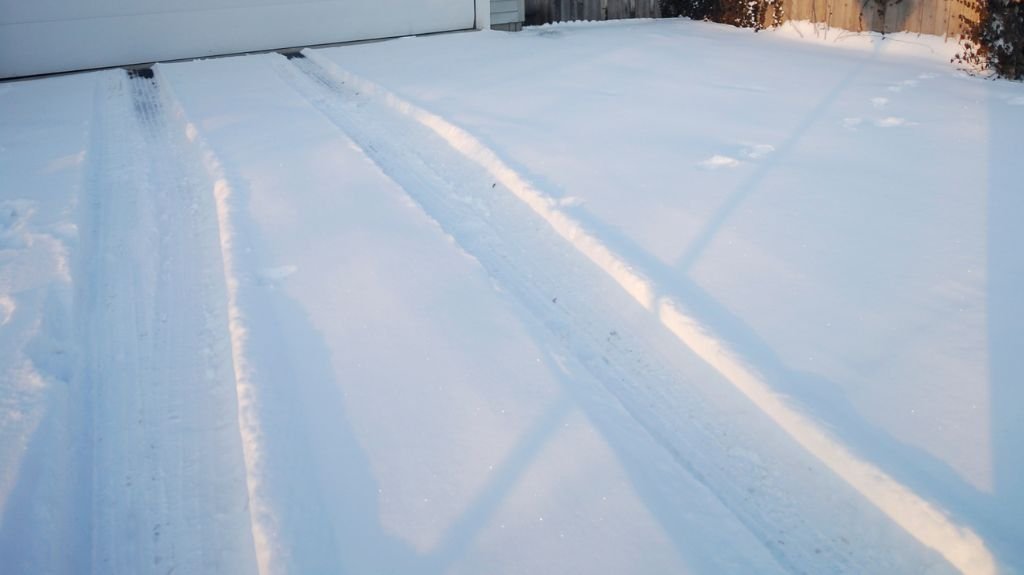
Do property owners ever wonder why driveways turn into glass rinks after a heavy snowfall? How can simple winter maintenance leave hidden dangers right outside the front door? Black ice creates a severe hazard for pedestrians and vehicles across Atlantic Canada. Traditional snow clearing methods often leave a thin film of moisture on the pavement. That leftover layer turns into a dangerous sheet of ice during overnight temperature drops. Proactive treatments stop ice from forming before precipitation starts. Atlantic Lawn & Snow provides dependable winter property care in Fredericton to protect walkways and driveways. This article covers black ice prevention methods, timing strategies, and local property protection.
What is black ice and why does it form after snow removal?
Black ice is a thin and transparent sheet of glazed ice that reveals the dark pavement underneath. The name comes from the asphalt showing through the frozen layer rather than the color of the ice itself. This hazardous surface forms when moisture on the ground freezes into a slippery coat. Property owners often fail to spot the hazard until a slip occurs. Removing snow with a shovel or plow does not eliminate the risk on its own.
How freeze-thaw cycles create hidden road hazards
Daytime melting occurs when sunlight and warm temperatures raise surface temperatures above freezing. Clear winter skies at sunset cause rapid heat loss through radiation into the atmosphere. Standing water collects in driveway cracks during the warm hours of the day. That pooled moisture turns into slippery patches overnight as the temperature drops.
Why clearing snow is not enough on its own
Scraping or plowing leaves a microscopic film of moisture on the pavement surface. The weight of vehicles and foot traffic turns that thin film into hardpack ice. The company applies immediate immediate ice control right after clearing to stop that bonding process. Proper surface care prevents compressed snow from turning into invisible hazards.
What are the best proactive anti-icing strategies for winter properties?
Preventing ice from forming before winter weather strikes works much better than reacting after a fall occurs. Property managers compare preventative anti-icing techniques with reactive methods to find the best approach. Liquid brines play a major role in stopping ice adhesion. These treatments bond directly with pavement pores to block moisture from freezing.
How liquid brines stop ice before it starts
Salt water or chemical brines dry onto the asphalt before snow arrives on the property. Liquid treatments reduce overall chemical use compared to solid salt applications. Crews apply liquid solutions hours before a freeze to ensure proper bonding.
How Atlantic Lawn & Snow protects commercial and residential sites
The team tracks storms constantly to dispatch crews before businesses open for the day. Zero-tolerance commercial snow programs programs keep parking lots and entryways safe for customers. Dependable driveway services keep families safe throughout the winter season.
Which de-icing and anti-icing agents work best in extreme cold?
Selecting the right chemical product depends on temperature limits, surface safety, and environmental impact. Property owners review the temperature thresholds of standard rock salt versus high performance compounds. Choosing the right material protects concrete, vehicles, and surrounding landscaping from damage.
Sodium chloride versus calcium chloride performance
Rock salt loses melting power below negative nine degrees Celsius. Calcium chloride releases heat and melts ice in extreme sub-zero cold conditions. Property owners store chemical melters in dry containers to manage costs effectively.
Eco-friendly and pet-safe de-icing choices
Magnesium chloride provides a balanced option for high traffic commercial and residential areas. Organic blends reduce corrosion on metal structures and concrete surfaces. Atlantic Lawn & Snow offers pet-safe options to protect paws and grass.
How do mechanical practices and site prep prevent ice buildup?
Physical property modifications and proper snow management techniques stop water pooling and refreezing. Strategic snow piling prevents meltwater runoff from crossing pedestrian paths. Filling pavement cracks and clearing drainage systems reduces standing water reservoirs.
Strategic snow piling and drainage correction
Crews direct snow banks away from walkways and sloped driveway entrances. Daytime meltwater flows into designated drainage areas instead of across driving lanes. Property owners clear catch basins and drains in autumn before freezing temperatures begin.
Protecting Fredericton lawns and soils from salt damage
High salt levels create osmotic stress and brown grass along driveway edges in spring. Seasonal turf flushing and soil conditioning with gypsum help repair the soil. Bundled seasonal packages cover both snow removal and lawn care needs.
Summary
- Understanding black ice formation
- Proactive anti-icing methods
- Effective de-icing agents
- Managing snow piles and drainage
- Protecting local lawns and soils
FAQ’s black ice prevention
What is the difference between anti-icing and de-icing?
Anti-icing prevents ice from bonding to pavement before precipitation falls. De-icing breaks the bond of existing ice layers after a storm.
Why does black ice form even after a driveway is shoveled?
Thin moisture films and packed snow residue refreeze during temperature drops. Property owners need an immediate post-clearing de-icing treatment to stay safe.
When should property owners use sand instead of salt?
Salt loses melting power in extreme sub-zero weather conditions. Coarse sand provides immediate mechanical traction on top of slick ice.
How can businesses reduce slip-and-fall liability during winter?
Businesses benefit from round-the-clock storm monitoring and professional contractor partnerships. Detailed service logs support property managers during liability claims.
What causes brown grass along driveways in spring?
Sodium and chloride runoff from excessive winter salting damages the turf. Spring watering flushes and eco-friendly de-icer protect the grass.