
You just moved to Fredericton, excited about your first spring in New Brunswick, only to watch your neighbour’s lawn thrive while yours looks patchy and brown. The frustrating truth is that generic lawn care advice from Toronto or Vancouver simply doesn’t apply here. Atlantic Canada’s freeze-thaw cycles, acidic soil from coniferous forests, humid summers, and compacted clay create challenges most lawn guides never mention. Cutting grass too short, skipping lime applications, and watering at night might seem harmless elsewhere, but here they invite weeds, lock out nutrients, and fuel fungal disease. repairs. Once you understand what makes Atlantic Canadian lawns different, avoiding these pitfalls becomes straightforward. This guide covers the most common regional mistakes, from mowing height and soil chemistry to how winter snow removal impacts spring recovery, so you can work with our climate rather than against it.
Mowing mistakes that damage your lawn’s health
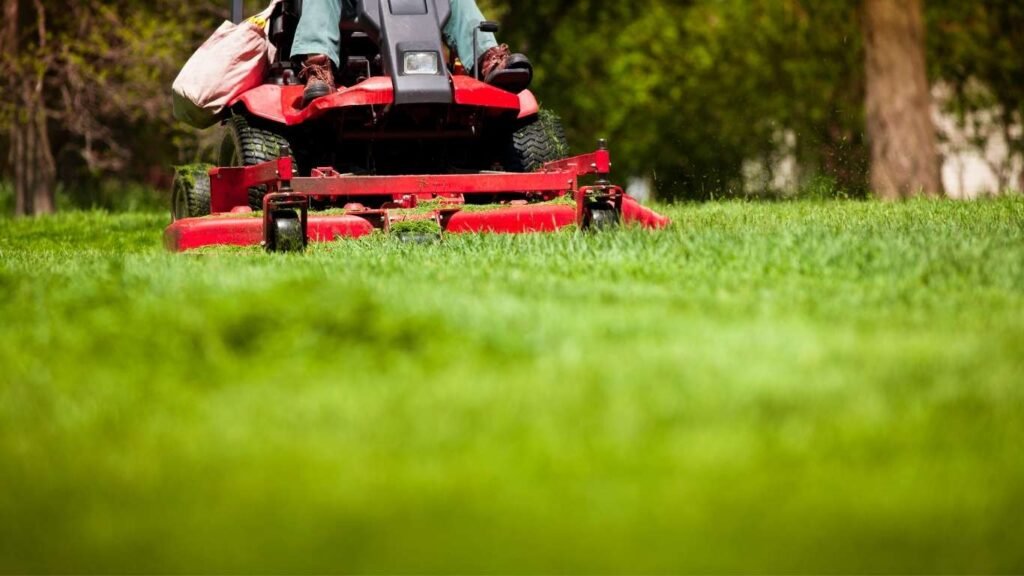
Most homeowners think mowing is the simplest part of lawn care. Cut the grass, bag the clippings, move on with your day. But in Atlantic Canada’s climate, how you mow determines whether your lawn thrives or struggles through our challenging summers. The mistakes made with mowers cause more long-term damage than almost any other maintenance error.
Cutting grass too short (scalping)
The temptation is understandable: cut grass short and mow less often. But this “scalping” approach backfires in New Brunswick. Cutting below 2.5 inches removes the leaf surface needed for photosynthesis, leaving roots shallow and weak.
Shallow roots spell disaster during July and August dry spells. Short grass also exposes soil to direct sunlight, triggering dormant weed seeds, dandelions, crabgrass, and clover, to germinate. You’re essentially rolling out a welcome mat for the very plants you’re trying to keep out.
The proper height for Atlantic Canadian lawns sits between 3 and 3.5 inches. This shades the soil, preserves moisture, and blocks light from reaching weed seeds. Follow the one-third rule: never remove more than one-third of the blade in a single mow. If grass reaches four inches, cut back to three inches maximum. Removing more shocks the plant and diverts energy away from root growth.
Atlantic Lawn & Snow’s mowing service maintains this optimal cutting height throughout the season, adjusting blade settings as growth rates shift from spring to summer. This consistent approach protects root structure and keeps lawns naturally resistant to stress.
Using dull mower blades in humid conditions
Walk outside after mowing and notice a tan or “frosted” appearance on your grass tips? That’s the telltale sign of dull mower blades. Instead of making clean cuts, dull blades tear and shred grass, leaving jagged edges that turn brown within hours. These aren’t just cosmetic issues.
Those ragged edges are open wounds. In Atlantic Canada’s humid air, especially during our damp mornings and frequent rain, these wounds become entry points for fungal diseases. Leaf spot, dollar spot, and other pathogens that thrive in moisture find easy access through torn grass tissue. A lawn mowed with dull blades is significantly more susceptible to disease than one cut cleanly.
The professional standard calls for sharpening mower blades at least twice per season. Atlantic Lawn & Snow sharpens blades daily because the difference in cut quality is that significant. Sharp blades slice through grass cleanly, allowing the plant to seal the cut quickly and heal faster. The result is a healthier appearance and genuine disease resistance.
If you’re maintaining your own equipment, check blades after every 8-10 hours of mowing. Look for rounded edges or visible nicks. A properly sharp blade should feel like a knife edge, not a butter knife. The investment in regular sharpening pays off in lawn health and appearance.
Mowing wet grass after frequent rainfall
New Brunswick’s significant rainfall, especially in spring and early summer, makes avoiding wet grass mowing genuinely difficult. But the problems it creates compound over time and are worth avoiding.
Wet grass clumps under the mower deck and drops in heavy piles that smother the lawn, blocking sunlight and trapping moisture. This creates ideal conditions for fungal growth and can kill patches within days. Wet clippings also spread disease more effectively, mowing a lawn with fungal infection while wet distributes spores across your entire property.
Mower weight on wet soil causes compaction, a particular concern given our clay-heavy Atlantic soil. Compressed soil squeezes out the air pockets roots need, prevents water infiltration, and leads to runoff and pooling. Repeatedly mowing wet grass can compact soil to the point where aeration becomes necessary rather than optional.
Best practice means waiting for morning dew to evaporate before mowing. If rain is forecast for several days, it’s better to let grass grow slightly taller than to mow in poor conditions. Professional services like Atlantic Lawn & Snow monitor forecasts to schedule mowing during optimal windows, protecting both grass health and soil structure.
Fertilization errors in acidic Atlantic Canadian soil
Fertilizer seems straightforward: apply nutrients, watch grass grow greener. But in Atlantic Canada, this simplified approach wastes money and often makes problems worse. Our soil chemistry is fundamentally different from most of North America, and ignoring this difference is one of the costliest mistakes property owners make.
Ignoring soil pH and lime application
Atlantic Canadian soil is naturally acidic, typically ranging from pH 5.0 to 6.0. This acidity comes from our geological makeup and decomposition of coniferous forest needles. When soil pH drops below 6.0, nutrients become chemically “locked” in the soil, your grass can’t access them regardless of how much fertilizer you apply.
This is why moss growth is such a reliable indicator of soil problems in our region. Moss thrives in acidic conditions where grass struggles. Many homeowners assume they need better drainage or more sun, but the primary issue is usually pH. Applying moss killer without addressing acidity is like bailing water without plugging the leak, you’re treating the symptom, not the cause.
The answer is horticultural lime, which neutralizes soil acidity and makes nutrients available to grass roots. In Fredericton and surrounding areas, most lawns benefit from lime application annually or every other year. A simple soil test every 2-3 years reveals pH levels and guides the correct application rates.
Without this foundation, even premium fertilizers produce disappointing results. Nutrients either wash away during our frequent rains or remain locked in the soil chemistry. Atlantic Lawn & Snow’s fertilization plans include soil pH assessment as a standard practice, ensuring applied nutrients actually reach grass roots. This prevents the frustrating cycle of increasing fertilizer applications with diminishing returns, while also protecting local waterways from nutrient runoff.
Over-fertilizing or applying at the wrong time
Timing matters more in Atlantic Canada than in regions with longer growing seasons. Our shorter season makes each application window critical. The most common error is applying high-nitrogen fertilizer during mid-summer heat. When temperatures spike in July and August, nitrogen can “burn” grass, creating brown patches that take weeks to recover. A nitrogen surge forces rapid growth that heat-stressed plants can’t sustain.
Early spring application presents different problems. Many homeowners fertilize as soon as snow melts, but if the ground hasn’t fully thawed or April rains are heavy, nitrogen leaches through the soil before roots can absorb it. You’re essentially fertilizing the water table.
Late fall fertilization is frequently skipped, yet it’s arguably the most important application of the year. A “winterizer” fertilizer focuses on root development rather than blade growth, helping grass store energy for winter and promoting faster spring green-up. Heavy nitrogen in late fall has the opposite effect, encouraging lush top growth that’s vulnerable to snow mold and winter damage.
Generic “one-size-fits-all” fertilizers compound these timing issues. Their high nitrogen content causes excessive top growth at the expense of root health, leading to thatch buildup and weak, disease-prone turf in our high-moisture climate.
Atlantic Lawn & Snow’s balanced fertilization program uses specific seasonal blends:
- A spring formula that promotes steady growth without shocking the plant
- A summer stress blend with lower nitrogen and higher potassium for heat tolerance
- A fall winterizer that builds root mass
These blends are applied based on soil temperature and weather patterns, not calendar dates. Slow-release nitrogen formulas prevent the feast-or-famine cycle and reduce nutrient runoff into local watersheds. For environmentally conscious property owners, organic options work with our soil biology through natural nutrient sources.
Watering problems in a high-humidity climate
In a region known for rain, watering mistakes seem unlikely. But how we water often causes more problems than drought ever could. Atlantic Canada’s humidity creates a specific environment where watering technique matters more than frequency.
Frequent shallow watering versus deep soaking
The daily watering habit, running sprinklers for 15 minutes every evening, is one of the most damaging practices for Atlantic Canadian lawns. When moisture is always available at the surface, roots have no reason to grow deeper. They remain in the top two inches of soil where conditions are most variable.
When a heatwave arrives in late July or August, those shallow roots dry out within hours. What looks like drought damage is actually the consequence of training roots to stay shallow through poor watering habits.
Proper watering means deep, infrequent soaking. Grass needs approximately one inch of water per week, including rainfall. Apply this in one or two deep waterings rather than daily sessions. This encourages roots to grow downward, sometimes reaching 6-8 inches deep, giving the lawn genuine drought tolerance.
To measure whether you’re applying enough, place empty tuna cans around your lawn before watering. When they’ve collected one inch of water, you’ve applied the right amount, typically 60-90 minutes of sprinkler operation. Check soil depth by pushing a screwdriver into the ground; it should slide in easily to 6 inches when properly moistened.
Timing matters as much as depth. Water between 6:00 AM and 10:00 AM to allow grass blades to dry during the day while roots absorb moisture, and to reduce evaporation compared to midday watering.
Night watering and fungal disease risks
Watering after sunset seems convenient, but in Atlantic Canada’s humid climate, night watering invites disease. Our naturally high humidity means dew already keeps grass moist overnight. Adding irrigation on top creates conditions where fungal pathogens thrive.
Fungal spores need moisture and time to infect grass tissue. When blades stay wet for 8-10 hours, you’re providing exactly what diseases like dollar spot, leaf spot, and grey snow mold need to establish. Once set in, fungal infections are difficult and expensive to treat, prevention through proper timing is far more effective.
Signs of fungal problems include:
- Circular brown patches that appear seemingly overnight
- Grass with a slimy or matted texture
- Pinkish or greyish discoloration
- Charred-looking circles from winter snow mold
These problems often trace directly back to watering practices that kept grass too wet for too long.
Professional irrigation systems can be programmed for early morning watering automatically. If you’re watering manually, do it before work rather than after dinner. The difference in lawn health is dramatic. Atlantic Lawn & Snow’s maintenance programs include guidance on proper irrigation timing, recognizing that watering technique is just as important as any treatment application.
Neglecting aeration and thatch management
If there’s one maintenance practice that separates healthy Atlantic Canadian lawns from struggling ones, it’s aeration. Yet it’s also one of the most commonly skipped services. Many homeowners don’t understand why it matters, but in our region’s clay-heavy soil, aeration isn’t optional, it’s necessary.
Atlantic Canada’s heavy clay content and glacial till make soil naturally prone to compaction. Add months of heavy snow loads followed by saturated spring thaws, and you have conditions that squeeze air pockets out of the soil. Those air pockets are critical, grass roots need oxygen to function. Without it, roots suffocate even when surrounded by soil and water.
A compacted lawn feels hard underfoot. Water pools on the surface after rain instead of soaking in. Fertilizer sits on top rather than penetrating to the root zone. These are all symptoms that aeration directly addresses.
Core aeration removes small plugs of soil, typically 2-3 inches deep. These holes immediately relieve pressure, allowing oxygen, water, and nutrients to finally reach where they’re needed. The soil plugs left on the surface break down over a few weeks as the holes gradually fill in naturally.
Thatch buildup compounds compaction problems. Thatch is the layer of dead organic matter between living grass blades and the soil surface. A thin layer is beneficial, but Atlantic Canada’s moist climate accelerates accumulation. When it exceeds half an inch, it becomes a barrier, water runs off the surface, fertilizer never reaches the soil, and fungal diseases flourish in trapped moisture. Grass roots remain shallow and weak.
Many property owners misdiagnose thatch problems as dead grass, responding by adding more water and fertilizer, which only worsens the issue. The lawn feels spongy underfoot, a sensation mistaken for healthy grass when it’s actually a sign the lawn is choking.
Dethatching or power raking in spring removes excess thatch, allowing the soil to breathe. Combined with core aeration, this process revitalizes lawns that have been declining despite regular maintenance. Atlantic Lawn & Snow’s aeration and overseeding service addresses both issues in one treatment. Quality seed blends chosen for New Brunswick conditions fall directly into aeration holes, ensuring the soil contact necessary for germination and improving density while solving underlying soil structure problems.
For Atlantic Canadian properties, annual aeration is the baseline recommendation. High-traffic areas or particularly heavy clay soils may benefit from twice-yearly treatment. Fall aeration is generally preferred as it coincides with the ideal overseeding window, but spring aeration is equally effective. The key is consistency, skipping aeration allows compaction to build to levels requiring multiple treatments to reverse, and without it, all other lawn care efforts deliver diminished results.
Seasonal timing mistakes in spring and fall
Atlantic Canada’s growing season is shorter and more volatile than most of the country. Timing errors have magnified consequences here, what works in May might be disastrous in April, and what you skip in September will haunt you in spring.
Spring arrives unpredictably in New Brunswick. A warm week in early April can tempt homeowners outdoors, only to be followed by a hard freeze. The ground may still be partially frozen even when the surface appears thawed, creating the “early spring trap” that damages countless lawns each year.
Walking on or raking a lawn while the ground is spongy causes permanent damage to grass crowns. Heavy foot traffic compresses saturated soil, creating compaction that persists all season. The correct approach requires patience, wait until the ground is firm underfoot and grass shows active growth before beginning spring maintenance. A simple test: push a screwdriver into the soil. If it slides in easily to 6 inches, you’re ready.
Fall maintenance mistakes are equally damaging. As temperatures cool, many homeowners stop mowing regularly and ignore accumulating leaves. Thick layers of maple, oak, and birch leaves left over winter create a matted, wet blanket that suffocates grass and creates ideal conditions for snow mold fungi, appearing as charred or pinkish circles after snowmelt.
Commercial properties are particularly vulnerable. Large lawns with mature trees accumulate massive leaf volumes, often facing extensive dead patches in spring requiring overseeding and months to recover. The cost of spring repairs far exceeds proper fall cleanup.
Professional fall cleanup includes a final short mow and complete leaf removal, allowing grass to enter dormancy clean and dry. A final cut of around 2.5 inches reduces matting under snow while still protecting crowns. Atlantic Lawn & Snow’s structured seasonal care ensures these critical tasks happen at the right time.
The other critical fall window is overseeding. Late August through mid-September is the “golden window” for establishing new grass in Atlantic Canada. Soil remains warm from summer, fall rains provide consistent moisture, and weed competition is minimal, creating ideal germination conditions where new grass develops strong roots before winter.
Seeding in June, a common mistake, means seedlings face summer heat stress and inconsistent germination. Fall-seeded grass, by contrast, enters spring as established plants ready for the growing season. Atlantic Lawn & Snow’s aeration and overseeding service is timed specifically for this window. It’s not just what you do, but when you do it.
Winter snow management that damages your lawn
Most homeowners treat lawn care and snow removal as completely separate activities. This compartmentalized thinking is a costly mistake in Atlantic Canada. How you manage snow directly determines your lawn’s condition in spring, and improper winter practices can destroy months of careful maintenance.
Snow pile compaction is the most visible problem. Repeatedly piling snow on the same lawn sections creates zones of extreme pressure. Heavy, wet Atlantic snow compacts soil to concrete-like density, and these piles are last to melt, keeping ground frozen well into May. Grass underneath faces crushing, prolonged darkness, and extended saturation, often dying completely and requiring overseeding. The solution is rotating pile locations or designating areas away from lawn sections you want to preserve.
Salt damage creates equally serious problems. Traditional rock salt accumulates along driveway edges, preventing spring grass growth and creating brown strips that persist through the season. Thoroughly soaking affected areas in April helps leach salt away from grass roots. Atlantic Lawn & Snow recommends calcium-based or eco-friendly ice melters that are far less harmful to soil chemistry. These cost more upfront but prevent expensive repairs. Using salt-tolerant grass seed mixes near roads also helps, though better de-icer choices remain the most effective prevention.
Plow blade damage is entirely preventable yet surprisingly common. Without proper markers showing lawn edges, plow operators can’t see boundaries under snow and blades catch the sod, peeling back large sections of turf. Professional snow removal services install markers as part of their setup, protecting the lawn at a fraction of the repair cost.
The broader insight is that property maintenance in Atlantic Canada can’t be seasonal. When the same team clearing your snow is responsible for your lawn’s spring recovery, they have every incentive to minimize winter damage. This accountability is why Atlantic Lawn & Snow’s annual property maintenance packages consistently deliver better results than hiring separate contractors for each season. Integrated year-round care recognizes these connections and manages your property as a single, continuous system.
To close
Atlantic Canada’s lawn care challenges aren’t impossible, they’re just different. Our acidic soil, clay-heavy composition, humid summers, and brutal freeze-thaw cycles demand region-specific approaches. Generic advice fails because it doesn’t account for these realities.
The costliest mistakes share a common thread: ignoring local conditions. Scalping grass weakens root systems. Skipping lime locks nutrients in acidic soil. Night watering invites fungal disease. Neglecting aeration lets clay compact beyond recovery. Poor seasonal timing undermines months of effort.
Success comes from working with our climate. Proper mowing height and the one-third rule protect grass structure. Soil pH management makes fertilization effective. Deep morning watering builds drought tolerance. Annual aeration keeps clay soil functional. Timing maintenance to our compressed growing season maximizes every treatment.
For Fredericton homeowners and commercial property managers, Atlantic Lawn & Snow’s 15+ years of local experience delivers exactly this customized approach. Our season-based programs address clay-heavy soil, humid conditions, and freeze-thaw cycles with techniques proven in this specific climate, removing the guesswork that leads to costly mistakes.
You don’t need to sacrifice your weekends to trial and error. Professional care built for Atlantic Canada’s challenges delivers the healthy, resilient lawn you want without the frustration of watching generic approaches fail. Request a no-obligation estimate to discover how year-round maintenance can protect your investment.
FAQs about common lawn care mistakes to avoid
What is the best grass seed for Atlantic Canada’s climate?
A blend of Kentucky Bluegrass, Creeping Red Fescue, and Perennial Ryegrass is the standard for our Zone 5-6 climate. Avoid generic “sun” or “shade” mixes from big-box stores, these often contain species that aren’t winter-hardy for our region. Fescues perform particularly well under the heavy tree canopy common in Fredericton’s established neighbourhoods. Endophyte-enhanced varieties provide additional resistance to pests like chinch bugs. Atlantic Lawn & Snow uses quality seed blends specifically chosen for New Brunswick conditions, making sure new grass establishes successfully and survives our winters.
When should I fertilize my lawn in New Brunswick?
Three key applications define a proper fertilization schedule: spring (after the ground fully thaws), summer (a stress blend during peak heat), and late fall (a “winterizer” formula). Avoid fertilizing during April’s heavy rain period when nitrogen simply leaches away, and never apply high-nitrogen products during mid-summer heat, this causes burning. The late-autumn fertilizer is often skipped but critically important. It focuses on root development rather than blade growth, helping grass survive winter and green up faster in spring. Atlantic Lawn & Snow’s balanced fertilization program uses specific seasonal blends applied at optimal times based on soil temperature and weather patterns, not arbitrary calendar dates.
How often should I aerate my lawn in Atlantic Canada?
At minimum, aerate once annually. Our clay-heavy soil and snow compaction make aeration necessary, not optional. Fall aeration is generally preferred because it coincides with the ideal overseeding window, but spring aeration is also effective. High-traffic areas, commercial properties, or lawns on particularly heavy clay may require twice-yearly treatment. Core aeration, which removes actual soil plugs, is what you need, not spike aeration which can worsen compaction. The service should be followed by overseeding for maximum benefit. Without annual aeration, compaction builds to levels where water, oxygen, and nutrients can’t reach roots, making all other maintenance efforts far less effective.
Why does my lawn have brown patches after winter?
Several causes are common in Atlantic Canada: snow mold (grey or pink fungal infections appearing as charred or pinkish circles), salt damage from de-icers used on nearby driveways and roads, compaction from heavy snow piles, or pest damage from grubs or chinch bugs. Snow mold develops when grass enters winter in a wet, matted condition, often from leaves left on the lawn through fall. Salt burn creates brown strips along lawn edges that persist through spring. Proper fall cleanup, strategic snow pile placement, and using calcium-based rather than sodium-based de-icers prevent most winter damage. If brown patches appear, professional assessment can identify the specific cause and appropriate treatment, whether that’s overseeding, soil amendment, or pest control.