
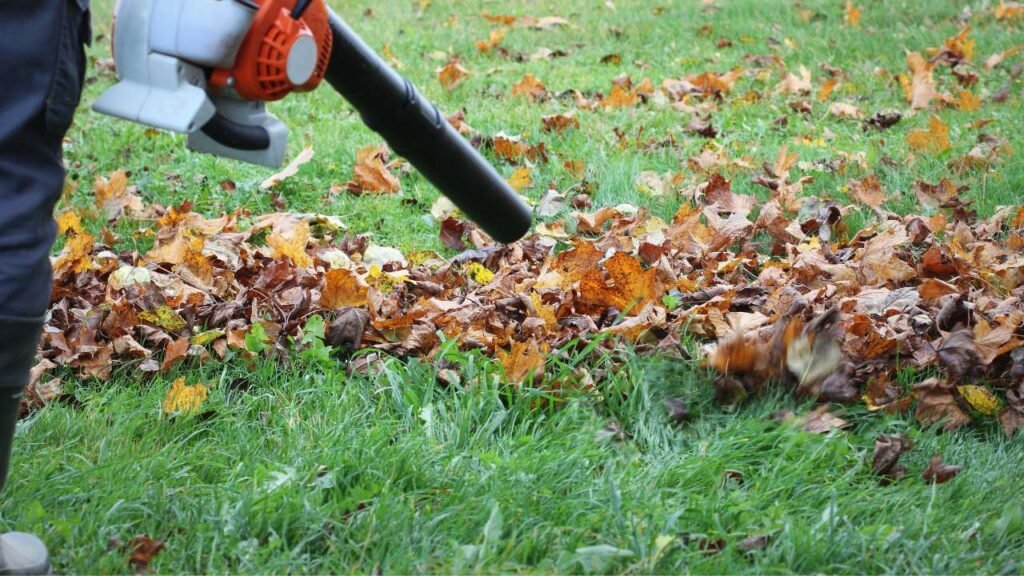
You might wonder why some Fredericton lawns bounce back beautifully each spring while others struggle with dead patches and fungal damage. The answer often lies in what happens during those critical autumn weeks.
The optimal window for fall cleanup in Fredericton runs from late October through mid-November. This timing addresses peak leaf drop from deciduous trees, the City of Fredericton’s final yard waste collection dates, and the arrival of permanent ground freeze or snowfall. Missing this window leads to snow mold, soil compaction, and suffocation damage that becomes painfully obvious after snowmelt.
Many property owners assume fall cleanup can wait until every last leaf has dropped, but this common misconception leads to costly spring repairs and months of recovery time. Fredericton’s compressed growing season and unpredictable freeze-up patterns create a narrow window for effective fall maintenance.
This guide explains exactly when to tackle fall cleanup in Fredericton, what tasks matter most for Atlantic Canada’s unique climate, and how proper autumn maintenance protects your property investment through New Brunswick’s harsh winter.
Fredericton’s fall cleanup window
The optimal window for fall cleanup in Fredericton runs from late October through mid-November. This timing addresses three critical factors: peak leaf drop from deciduous trees, the City of Fredericton’s final yard waste collection dates, and the arrival of permanent ground freeze or snowfall.
By late October, maple, oak, and birch trees have shed most of their foliage. Cleaning up too early in September means you’ll face a second wave of leaves weeks later, doubling your workload. Waiting until December, however, risks trapping debris under snow, where it creates a wet, matted layer that suffocates grass and promotes fungal growth.
Fredericton’s clay-heavy soil compounds the problem. When organic matter sits wet through repeated freeze-thaw cycles, it damages turf far more severely than in sandy or loamy soils. The longer leaves remain on your lawn heading into winter, the greater the risk of snow mold fungi appearing as charred or pinkish circles after spring thaw.
Aligning with municipal collection schedules
The City of Fredericton offers curbside yard waste pickup during two critical fall windows: October 26-30 and November 16-20. Timing your cleanup to coincide with these dates ensures efficient disposal and prevents bags from sitting on your curb for weeks, which can kill the grass underneath.
For the mid-November collection, materials must be at the curb by 7:00 a.m. on your regular garbage day. Leaves go in compostable paper bags only (plastic bags are prohibited), while branches must be bundled separately with natural twine, not exceeding 5 cm in diameter and 1.5 m in length.
Practical cleanup timeline
Here’s how to structure your fall maintenance for maximum effectiveness:
| Timing | Tasks | Why It Matters |
|---|---|---|
| Early October | Property assessment, initial debris removal | Identifies problem areas before peak leaf drop |
| Late October | Primary cleanup, leaf removal, pruning | Captures majority of fallen leaves; aligns with first city collection |
| Mid-November | Final sweep, last mowing, debris disposal | Ensures property is clear before freeze-up; matches final city pickup |
| Post-cleanup | Snow stake placement, hardscape clearing | Prepares property for winter snow removal operations |
Properties that complete cleanup by mid-November enter winter in optimal condition. The grass has time to recover from final mowing, soil amendments can take effect before freeze-up, and your lawn avoids the compounding damage that occurs when debris sits under snow for months.
What tasks should be included in a thorough fall cleanup?
A comprehensive fall cleanup goes beyond simply raking leaves. Each task addresses specific threats that Fredericton’s climate poses to lawn health during winter dormancy.
Thorough leaf and branch removal
Clearing accumulated maple, oak, and birch leaves is the foundation of fall cleanup. While thin layers in garden beds can support pollinators, thick accumulation on turf creates a breeding ground for snow mold fungi. This fungal damage appears after snowmelt as dead, matted patches that require extensive overseeding and months of recovery.
Professional removal ensures leaves don’t suffocate grass or block sunlight during those final growing days before dormancy. For commercial properties with mature trees, the volume of leaf matter makes professional service particularly valuable.
Final mowing at reduced height
The last mow of the season should lower blade height to approximately 2 to 2.5 inches. This shorter cut directly reduces snow mold risk by preventing grass from matting down under snow cover. Longer grass blades fold over, trap moisture, and create the damp environment where fungi thrive.
This practice is specifically calibrated for New Brunswick’s long snow cover periods. Generic lawn care advice from warmer regions often misses this critical adjustment.
Garden bed tidying and debris disposal
- Remove dead foliage from perennial beds to eliminate fungal spores that overwinter and reinfect plants in spring
- Clear sticks, branches, and storm debris from lawns and planting areas
- Bundle branches according to city regulations (maximum 5 cm diameter, 1.5 m length, tied with natural twine)
- Package leaves in compostable paper bags for curbside pickup
Proper disposal matters. Materials left in piles on-site continue to harbor pests and disease. Following city packaging requirements ensures your waste is collected and processed into Grade A topsoil used for municipal projects.
The “leave the leaves” consideration
Some ecological advocates suggest leaving all leaves in place to support pollinators and return nutrients to soil. While this approach has merit in naturalized areas, it creates serious problems on turf.
The balanced approach: rake thin layers of leaves into garden beds for insulation and habitat, but remove thick accumulation from lawn areas completely. Commercial properties typically require full removal to maintain professional appearance and prevent visible spring damage.
“The cost of preventative fall cleanup is consistently lower than the cost of spring rehabilitation. This is particularly true for properties with mature trees, where leaf volumes are significant and the potential for widespread damage is high.”
Properties that skip or delay fall cleanup face costly spring repairs. Dead patches require overseeding with quality seed blends, repeated watering, and months of recovery time before the lawn looks healthy again. For commercial properties, this visible damage affects curb appeal during peak business season.
How does fall cleanup prepare your property for winter?
Proper fall cleanup creates the foundation for effective winter property management. The connection between autumn maintenance and winter readiness is direct and measurable.
Enabling safe snow removal operations
Debris-free lawns allow snow removal equipment to operate without damaging hidden objects or the turf underneath. Sticks, branches, and accumulated leaves become obstacles once buried under snow, creating hazards for plows and potentially damaging landscaping features.
Professional snow removal crews rely on clear ground conditions to place snow stakes accurately. These markers protect driveways, curbs, and garden beds during plowing operations. Installing them during fall cleanup ensures they’re positioned correctly before the first snowfall.
Preventing compounding winter damage
Properties that skip fall cleanup face multiple forms of damage that compound over winter:
- Snow mold development: Leaves trapped under snow create the wet, dark environment where fungi thrive
- Soil compaction: Matted organic matter compressed by snow weight damages soil structure
- Suffocation: Grass deprived of air circulation during dormancy emerges weak and patchy in spring
- Freeze-thaw stress: Unprepared turf suffers greater damage from repeated freezing and thawing cycles
Each of these problems becomes evident only after spring thaw, when repair options are limited and recovery takes months.
Prevention versus repair
The investment in fall cleanup pays dividends by avoiding spring expenses:
- Fall cleanup service: one-time seasonal cost
- Spring repair: overseeding, treating fungal damage, re-establishing dead patches, repeated applications over months
For commercial properties, the reputational cost of visible spring damage adds another layer of expense. Clients and customers form impressions based on property appearance during peak business season.
Seamless seasonal transitions
Bundled annual packages that combine fall cleanup with winter snow removal eliminate service gaps and provide single-point accountability. Property managers avoid the coordination burden of managing separate contractors for each season.
When the same team handles both fall maintenance and winter snow clearing, they understand your property’s specific features, drainage patterns, and vulnerable areas. This continuity improves service quality and reduces the risk of damage during winter operations.
Get your property winter-ready with professional fall cleanup
Atlantic Lawn and Snow brings 15+ years of Fredericton-specific experience to every fall cleanup service. We understand the narrow window Atlantic Canada’s climate provides and the precise timing required to protect your lawn through New Brunswick’s harsh winter.
Our crews use professional-grade equipment for thorough leaf removal, proper debris disposal, and final mowing calibrated to reduce snow mold risk. We handle all aspects of fall maintenance, removing the physical strain from property owners while ensuring nothing is missed before freeze-up.
Early booking is needed. Route capacity fills quickly as peak season approaches, and weather can shift rapidly in late autumn. Contact us to secure your fall cleanup service and ensure your property transitions smoothly into winter.
📞 +1 506-866-5296
✉️ info@atlanticlawnandsnow.com
FAQ’s about Fall yard cleanup in Fredericton
Can I wait until December to do my fall cleanup?
Waiting until December creates significant problems. Leaves become trapped under snow, forming a wet, matted layer that suffocates grass and promotes snow mold development. The ground freezes, making proper cleanup nearly impossible. You’ll also miss the City of Fredericton’s final yard waste collection dates (November 16-20), meaning debris sits on your property all winter causing turf damage that becomes evident only after spring thaw.
Should I rake leaves into garden beds or remove them completely?
A balanced approach works best. Thin layers of leaves in garden beds provide valuable insulation and habitat for overwintering pollinators like bees and butterflies. However, thick accumulation on turf must be removed completely to prevent suffocation and fungal growth. Commercial properties typically require full removal to maintain professional appearance and avoid the large-scale dead patches that emerge in spring when leaf matter goes unmanaged through winter.
What happens if I miss the city’s yard waste collection dates?
The Municipal Soil Management Facility accepts yard waste as an alternative (opens April 3 seasonally). The facility processes materials into Grade A topsoil used for city parks and projects. However, waiting until spring means debris sits under snow all winter, causing turf damage, promoting mold growth, and creating compacted soil conditions that require extensive rehabilitation after snowmelt.
Does fall cleanup really prevent spring lawn problems?
Yes. Proper fall cleanup directly prevents snow mold, which appears as charred or pinkish circles after snowmelt. It reduces soil compaction from wet, matted leaves, eliminates fungal spore overwintering sites, and allows grass to enter dormancy in healthy condition. Properties with thorough fall cleanup require significantly less spring rehabilitation, avoiding the expense and time required for overseeding and treating widespread damage.
When should I book fall cleanup services in Fredericton?
Book by early October. Service routes fill quickly before peak season, and professional crews need adequate scheduling flexibility to complete work within the narrow optimal window (late October to mid-November). Weather can change rapidly in Atlantic Canada during autumn, so early booking ensures your property receives service before freeze-up regardless of unexpected weather shifts.