
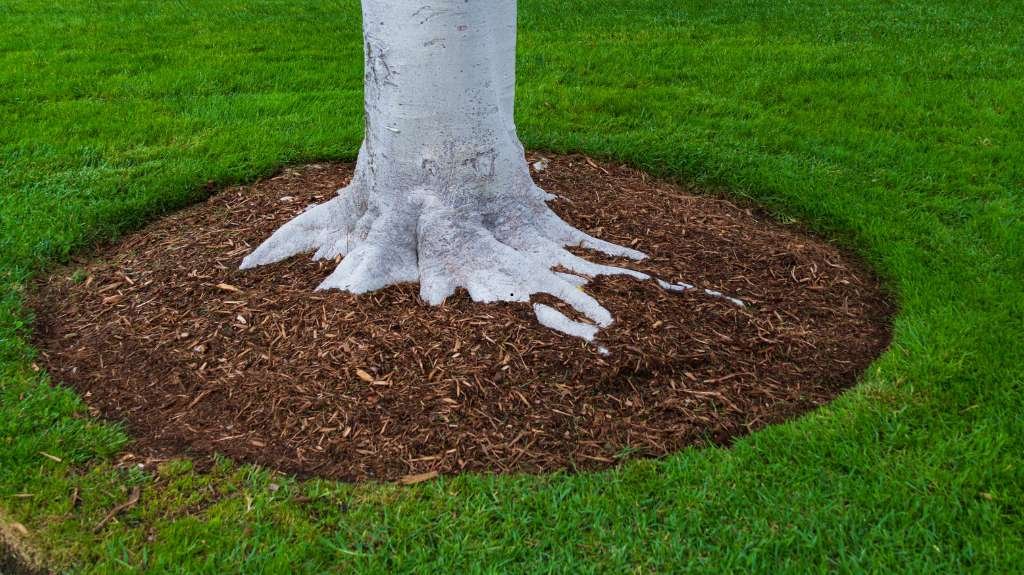
Homeowners in Fredericton can protect plants before freezing weather by applying 5 to 8 cm (2 to 3 inches) of loose, organic mulch once the ground has frozen. This thickness stabilizes soil temperature, limits frost heaving, and shields roots without smothering them. The key is correct depth, proper timing, and the right mulch material for Atlantic Canada conditions.
This guide explains how much mulch to use, when to apply it, which materials to choose, and how to apply it correctly, with local context for New Brunswick gardens and commercial properties.
What is the ideal mulch depth for winter plant protection?
The ideal mulch depth for winter plant protection in Atlantic Canada is usually 5 to 8 cm (2 to 3 inches) once the mulch has settled. This range gives enough insulation for roots while still allowing air and water to reach the soil.
A mulch layer in this range works like a blanket for your planting beds. It slows how fast the soil cools in late autumn, then helps it stay evenly frozen through winter. That steady soil temperature limits frost heaving, which is the lifting of roots as ice forms and melts in cycles.
For most gardens, this depth also supports good moisture balance. The mulch reduces evaporation on windy winter days, yet still lets snow melt soak down to the roots. It also helps with weed control in early spring, since weed seeds get less light and warmth.
Problems appear once winter mulch thickness goes much beyond 10 cm (4 inches). Thick layers can keep the soil too wet and low in oxygen. Roots may start growing upward into the mulch instead of staying in the soil, which makes them dry out faster. Deep mulch also gives mice and voles a safe tunnel system that runs right to your plant stems and tree trunks.
Choosing the right depth is one of the most helpful winter mulching tips for any property, from a small Fredericton yard to a large commercial site with long planting beds.
Depth guidelines for different plants
Depth guidelines for different plants help you fine tune winter mulch thickness instead of using one rule everywhere. Matching mulch depth to plant type improves protection and reduces risk.
- Standard perennials and shrubs usually do best with 5 to 8 cm of mulch. This depth keeps crowns and shallow roots buffered from sharp cold snaps and holds enough moisture while keeping stems clear so they do not rot under the snow.
- Tender perennials and new plantings often need closer to 8 to 10 cm (3 to 4 inches) for winter protection. Use this extra mulch for plants added late in the season or species rated only just hardy enough for New Brunswick. In early spring, gently pull some of this mulch back so crowns can dry out and new shoots can reach the light.
- Mature trees and larger shrubs benefit from a wide, even ring about 7 to 8 cm deep. Extend mulch as far as you reasonably can toward the drip line, which is under the tips of the branches. This wide circle protects the full root zone from freeze and thaw stress and from damage caused by plows or foot traffic.
When should you apply mulch before freezing weather?
The best time to apply mulch before freezing weather is after the first hard freeze and once the top few centimetres of soil have crusted. In the Fredericton area this often means late October or November, but local weather in a given year should guide the timing.
Mulching plants for winter is not about keeping soil warm. The goal is to keep soil cold and stable once it has frozen, so it does not swing above and below zero many times. If winter mulch goes down too early, when soil is still warm, it can trap that warmth. Plants may stay active longer than they should, which leaves new growth exposed to sudden frost.
Covering warm, damp ground too soon can also invite pests. Mice and voles enjoy soft, fresh mulch over moist soil, since it gives them safe cover close to plant stems. Delaying the mulch until the soil surface is firm and cold makes beds less attractive for nesting.
For busy commercial properties and multi unit sites, it helps to slot winter mulching into the broader fall task list. Many managers in New Brunswick plan mulching just after core aeration, leaf removal, and the last mowing pass. That way beds are clean, soil has cooled, and crews can switch focus to snow and ice service on schedule.
Atlantic Canada soil and climate challenges
Atlantic Canada soil and climate conditions make winter mulching especially valuable compared with milder regions. Understanding these local pressures explains why timing and depth matter so much.
- Freeze and thaw cycles are frequent in places like Fredericton, Saint John, and Moncton. Mild spells in January or March can thaw the soil surface, then the next cold front freezes it again. This movement lifts plant crowns and fine roots, leaving them exposed to cold wind. A steady mulch depth slows how fast the soil reacts to those swings.
- Clay heavy or compacted soils hold water tightly, common in many New Brunswick neighbourhoods and business parks. Without a good mulch layer, winter moisture can sit right around stems and trunks, leading to root rot. A loose organic mulch improves drainage structure over time and keeps standing water from touching bark.
- Wind and snow patterns along the Saint John River valley can be harsh for exposed beds. Wind strips moisture from evergreen foliage when the soil is frozen and cannot replace it. Mulch around trees before winter helps keep the root zone moist enough so evergreens such as spruce and cedar can handle winter wind burn better.
Which mulch materials work best for cold weather?
For cold weather, organic mulches work far better than stone or rubber for protecting plant roots. Materials such as shredded bark, wood chips, pine needles, and clean straw insulate soil, hold moisture, and break down into richer earth over time.
Shredded bark and aged wood mulch are common in Fredericton landscapes. They knit together, so they do not blow away easily in winter storms, and they give a tidy look for both homes and businesses. Pine needles, often called pine straw, create a light, airy blanket and suit acid loving shrubs such as rhododendrons and blueberries.
Stone and recycled rubber mulches are sometimes used around buildings or in high traffic areas. In cold climates, they store heat on sunny days and give it off at night. That constant warming and cooling can wake plants from dormancy too early, then leave them exposed to another hard freeze. They also do nothing for soil biology under the surface.
For most beds that need mulch for root protection in winter, a medium textured shredded bark or mixed wood mulch is the most reliable choice. Pine needles and straw mulch for winter plants are helpful as a loose top layer over tender crowns.
Comparison of winter mulch materials
This comparison of winter mulch materials highlights how each option behaves in cold Atlantic Canada conditions.
| Material | Winter benefits | Winter limits | Best use cases |
|---|---|---|---|
| Shredded bark | Insulates well, resists wind, looks neat around homes and offices | Can crust if applied too thickly | Perennial beds, shrub borders, around trees |
| Wood chips | Long lasting, good for large areas, cost effective in bulk | Chunks can leave air gaps and cooler soil | Paths, natural areas, big tree rings |
| Pine needles | Light, airy, allow strong air flow, shed water well | Harder to source in bulk, can move in strong wind | Acid loving plants such as azaleas, blueberries, and hydrangeas |
| Clean straw | Strong short term insulation around tender crowns, easy to remove | May contain weed seeds and attract rodents if piled too deep | Vegetable beds, strawberry patches, very tender perennials |
For most Fredericton gardens, shredded bark or mixed wood mulch works best as a base layer. Gardeners then add a loose cap of pine needles or straw over especially tender plants during short cold snaps or when covering plants before a forecasted freeze.
How to apply winter mulch and avoid common mistakes
Applying winter mulch starts with clean beds, correct depth, and keeping material away from stems and trunks. Good technique makes the same bag or load of mulch far more effective for frost protection.
Begin by tidying the area. Remove dead annuals, cut back spent perennials, and pull any late season weeds so they do not hide under the new mulch. Rake away thick mats of leaves, since these can hold water and lead to mould under the snow. You now have a clean surface where mulch will sit flat and even.
Next, measure how deep the mulch layer is as you work. A simple ruler works, or you can mark 5 and 8 cm lines on the handle of a trowel. Spread mulch in a smooth, level blanket rather than in piles. Aim for winter mulch thickness of 5 to 8 cm across the bed, then lightly water if the soil is dry so the mulch settles into place.
Step by step winter mulching checklist
Use this step by step method.
- Clear debris and old plant material. Remove branches, litter, and diseased foliage from beds so problems do not carry through winter. Bag or yard waste bin anything with visible fungus instead of composting it at home. This keeps new mulch clean and reduces disease in spring.
- Check soil moisture before freezing weather. Water deeply a day or two before a hard freeze if soil is dry. Moist soil holds heat longer than dry soil, which reduces sudden temperature drops around roots. Avoid watering right before the temperature drops below zero to prevent ice forming on leaves and stems.
- Lay mulch with the donut rule in mind. Keep mulch pulled back at least 5 to 8 cm from tree trunks and shrub stems. This open ring around bark stops constant contact with damp material, lowering risk of rot. It also makes it harder for rodents to chew bark unseen under winter snow.
- Extend mulch far enough for root protection. For trees and large shrubs, spread mulch out past the canopy line when space allows. Roots often reach out as far as branches and even beyond. A wider mulch ring means more insulation for those feeder roots that support new growth each spring.
- Do a final depth and clean up check. Walk the beds and spot check depth in a few places so you do not miss thin patches. Rake any stray mulch off sidewalks and driveways, which helps snow removal equipment work safely. This small step also keeps gravel and salt from mixing back into beds later.
Common mistakes include volcano mulching around trees, applying mulch over frozen wet puddles, and using more than 10 cm in an attempt to get extra protection. All of these increase the risk of disease and trunk damage instead of protecting plants.
Property maintenance and professional care
Year-round property maintenance and professional care link winter mulching with lawn work, fall cleanups, and snow service. Seeing mulching as one part of a full season plan makes timing much easier.
In Fredericton, many homeowners and property managers schedule mulching right after the last mowing and leaf removal. At that point turf has been cut for the last time, leaves are off the beds, and irrigation systems are shut down. Mulch then goes onto clean soil that will not be disturbed again until spring.
Local providers such as Atlantic Lawn & Snow already manage fall cleanup, lawn aeration, and late season fertilizing for many sites across New Brunswick. Their crews clear beds of branches and heavy leaf piles, which leaves a solid base for clients who want to add mulch. Once that work wraps up, equipment and staff shift focus to overnight snow clearing, sanding, and walkway safety.
On larger commercial properties, tying winter mulching to this rhythm pays off. Beds stay clearly edged so plow drivers can see where to push snow. Mulch does not spill into parking lots during storms, and there is less gravel to clean out of beds in spring. The result is healthier plants, safer walkways, and less repair work once the snowpack finally melts.
Winter mulching checklist for Atlantic Canada
Use this short list as a reference before freezing weather in Fredericton and nearby areas.
- Target 5 to 8 cm mulch depth for most beds.
- Wait until after a hard freeze and firm soil surface.
- Use organic mulch such as shredded bark, wood chips, pine needles, or clean straw.
- Keep 5 to 8 cm clearance around trunks and stems.
- Water dry soil a day or two before severe cold, not during a frost event.
- Check for signs of rodents and avoid very thick layers near structures.
- Plan mulching alongside leaf cleanup, lawn care, and snow preparation.
Wrap up
Getting winter mulching right in Atlantic Canada comes down to a few clear choices. Aim for 5 to 8 cm of organic mulch, apply it after the ground has frozen, keep it away from trunks and stems, and pick materials such as shredded bark or pine needles that suit cold conditions. These simple habits cut frost heaving, reduce root damage, and help plants come through Fredericton winters ready to grow. Paired with solid fall cleanups and reliable snow and ice care from teams like Atlantic Lawn & Snow, this approach protects both your landscape and your property investment through every season.
FAQ’s mulching before freezing winter
How much mulch do I need for my garden beds?
The amount of mulch you need depends on bed area and chosen depth. Measure the length and width of each bed to find square metres, then decide on a depth such as 5 cm. Many online mulch calculators convert this into cubic metres or cubic yards, which helps when ordering bulk loads or bags.
Can I use straw mulch for winter plants?
Yes, straw mulch for winter plants works well around tender vegetables, herbs, and strawberry rows. Spread a loose layer 8 to 10 cm deep once the soil has frozen, so crowns stay protected. In spring, gently rake most of the straw off so new shoots can push through. Watch for weed seeds in poor quality straw and buy clean bales when possible.
Should I remove old mulch before adding new winter mulch?
You do not always need to remove old mulch before winter. If the existing layer is thin and loose, you can top it up to reach about 5 to 8 cm. Rake away and compost old mulch if it has formed a hard crust, smells sour, or shows mould. That way you avoid sealing problems under a fresh layer.
How do I protect plants from frost without mulch?
To protect plants from frost without mulch, use covers that trap air around them. Frost cloth, old sheets, or burlap draped over stakes work for low shrubs and perennials. For small vegetable beds, gardeners sometimes use simple cold frames made from clear lids over wooden boxes. Remove covers during warmer, sunny days so plants do not overheat.
When should winter mulch be removed in the spring?
Start pulling back extra winter mulch once daytime temperatures stay above freezing and the soil begins to thaw. For tender perennials, open the crowns early so new shoots do not rot under damp mulch. Leave a thinner layer, about 3 to 5 cm, to keep weeds down and hold spring moisture. This balance supports strong regrowth without waterlogging crowns.