
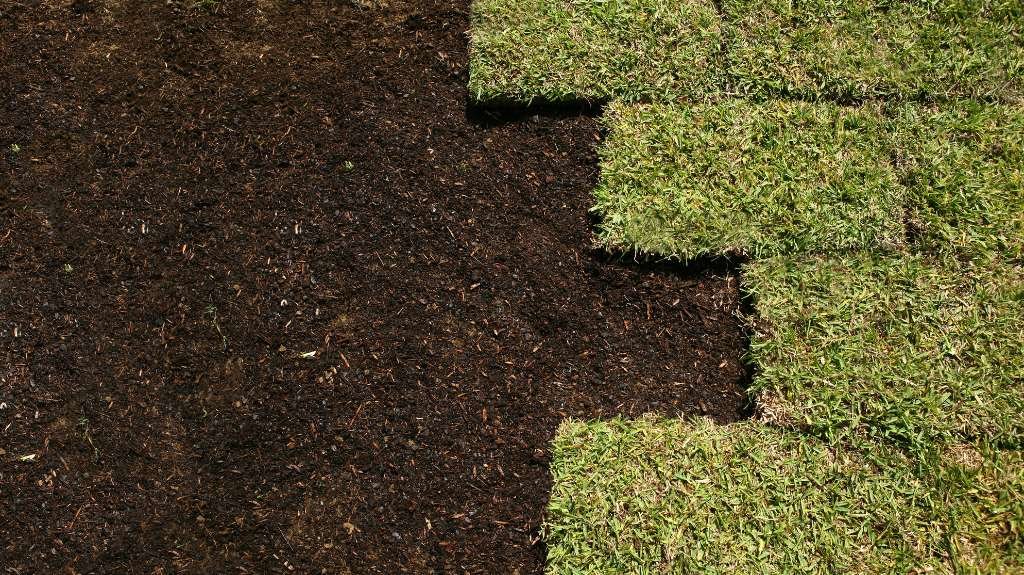
Have you ever watched a brand-new lawn turn patchy and brown just weeks after installation? Or noticed water pooling in low spots where your fresh sod should be thriving? Many Fredericton homeowners invest thousands in new turf only to see it fail because the ground beneath wasn’t ready.
The truth is, sod installation success has little to do with the grass itself. What happens before the first roll touches the ground determines whether your lawn thrives or dies. New Brunswick’s clay-heavy soil, freeze-thaw cycles, and acidic conditions create a hostile environment where shortcuts lead to costly failures.
This guide walks you through the complete preparation process for sod installation in Atlantic Canada. You’ll learn how to clear existing vegetation, test and amend soil, grade for proper drainage, and create the foundation new sod needs to establish deep roots. Each step addresses the specific challenges Fredericton property owners face, from compacted clay to standing water after spring thaws.
By the end, you’ll understand exactly what successful ground preparation looks like and why it’s the highest-value step in any sod project.
Why proper ground preparation determines sod success in Atlantic Canada
The condition of the soil beneath new sod determines whether your investment thrives or fails within the first growing season. In Fredericton and across New Brunswick, the ground presents unique challenges that make preparation non-negotiable.
Clay-heavy soil dominates the region. This dense material compacts easily under foot traffic, snow load, and freeze-thaw cycles. When compacted, clay blocks oxygen from reaching grass roots, prevents water from draining properly, and locks nutrients away from the turf. New sod laid over unprepared clay struggles to root, leading to patchy growth and early turf loss.
Atlantic Canada’s climate adds another layer of difficulty. Freeze-thaw cycles heave the soil repeatedly through winter, disrupting surface grades and creating uneven ground. Humid summers encourage fungal growth in poorly drained areas. Acidic soil (common throughout New Brunswick) locks nutrients away from grass roots, starving new sod regardless of how well it’s installed.
Proper preparation addresses all of these challenges before the first roll of sod touches the ground. Removing old vegetation eliminates competition for water and nutrients. Tilling breaks up compacted clay and allows oxygen penetration. Adding nutrient-rich loam creates a foundation where roots can establish quickly. Grading ensures water moves away from structures rather than pooling in low spots.
Prepared ground vs. unprepared ground: outcomes
| Factor | Prepared Ground | Unprepared Ground |
|---|---|---|
| Root penetration depth | 4-6 inches within 14 days | Less than 2 inches, shallow and weak |
| Drainage performance | Water moves away from foundation, no standing water | Pooling in low spots, basement dampness risk |
| Establishment time | 10-14 days in ideal conditions | 3-4 weeks or fails completely |
| First-year survival rate | 95%+ with proper maintenance | 60-70%, with significant patchy areas |
The difference between these outcomes isn’t the quality of the sod itself. It’s the quality of the preparation work that happens before installation day.
Clear existing vegetation and assess your site
The first step in preparing for sod installation is removing everything currently growing on your property. New sod must make direct contact with bare soil to establish roots. Laying turf over existing grass, weeds, or thatch creates a barrier creates a barrier that prevents root penetration and leads to patchy growth or complete failure.
Start by clearing all vegetation using one of three methods:
- Mechanical removal with a sod cutter is the fastest approach for larger areas. The machine slices beneath the root system, allowing you to peel back strips of old grass and weeds in one pass.
- For smaller patches or tight corners around garden beds and walkways, use a sharp spade to manually lift the turf.
- If your yard is overrun with invasive species like crabgrass or dandelions, apply a non-selective herbicide at least two weeks before installation. Once the vegetation is completely brown and dead, it can be removed.
Once the area is clear, measure it precisely. Calculate the total square footage and order 5-10% extra sod to account for cutting around curves, walkways, and irregular garden beds. This prevents delays on installation day when you discover you’re short a few pieces.
Next, assess how water moves across your property during typical Atlantic rainfall. Walk the yard during or immediately after a heavy rain and identify any low spots where water collects and stands. These areas require grading correction before sod installation. Standing water kills grass roots within 24-48 hours, turning those spots into permanent mud patches.
Evaluate sun exposure across the installation area. Most Kentucky Bluegrass blends used in New Brunswick require at least four to six hours of direct sunlight daily. If your property is heavily shaded by mature maples or evergreens, you may need to prune branches or reconsider the variety of sod. Grass that doesn’t receive adequate light will thin out and fail regardless of how well the ground is prepared.
Clear all debris from the site. Remove rocks larger than 2 inches in diameter, as these create air pockets under the sod that lead to dry patches. Excavate buried construction materials, old tree roots, and any wood debris. Decaying wood underground can cause fungal growth or localized depressions as it breaks down over time.
Prepare and amend the soil foundation
Once the site is clear, the next step is creating a soil foundation that supports healthy root growth. This process addresses the specific challenges of Fredericton’s clay-heavy, acidic ground.
Start with a professional soil test. New Brunswick soil tends toward acidity, which locks nutrients away from grass roots even when fertilizer is applied. The ideal pH range for turf is 6.0 to 7.0. If your soil tests below 6.0, apply pelletized lime according to the test recommendations. If it tests above 7.5 (rare in this region), elemental sulphur may be needed. The soil test will also identify deficiencies in nitrogen, phosphorus, and potassium, allowing you to fertilize precisely rather than guessing.
Next, till the cleared area to a depth of 4 to 6 inches. This breaks up compacted clay and allows oxygen and water to penetrate. Tilling is especially needed on new construction sites where heavy equipment has compressed the soil. Without this step, new sod roots cannot push through the hardpan layer, and the turf will struggle to establish.
After tilling, add 4 to 6 inches of high-quality, weed-screened topsoil or sandy loam mix. This material provides the nutrient-rich foundation new roots need to establish quickly. Calculate the volume required by multiplying your square footage by the desired depth in feet. For example, 1,000 square feet at 4 inches (0.33 feet) requires approximately 330 cubic feet, or 12-13 cubic yards of soil.
Once the new soil is spread, grade the area to ensure proper drainage. The ground should slope away from your home’s foundation at approximately 1 inch per 4 feet. This prevents basement dampness and ice patches during New Brunswick winters. Use a landscaping rake to level the surface, filling in low spots and removing high points.
The final soil level should sit 0.5 to 1 inch below adjacent hardscaping like sidewalks, driveways, and patio stones. When the sod (which comes with its own layer of soil and roots) is installed, it will sit flush with these surfaces rather than creating a tripping hazard or allowing water to pool at the edges.
Use a water-filled lawn roller to lightly firm the soil. The goal is a surface that’s firm enough to walk on without sinking significantly, but not so compacted that roots cannot penetrate. Test it by walking across the prepared area. If your shoes sink in more than half an inch, the soil is too soft and needs more rolling. If you leave no footprint at all, the soil is too hard and should be lightly scratched with a rake.
“The most common mistake I see is homeowners skipping the soil test and just adding topsoil. You can have six inches of beautiful loam, but if the pH is 5.2, your grass will starve no matter how much you water or fertilize.” – Ryan
5 soil preparation mistakes that kill new sod in Atlantic Canada:
- Skipping pH testing – Acidic soil locks nutrients away from roots, starving new sod regardless of fertilization
- Insufficient tilling depth – Shallow tilling (less than 4 inches) leaves hardpan intact, blocking root penetration
- Poor drainage grading – Failing to slope away from structures leads to standing water, basement dampness, and dead grass
- Using low-quality fill soil – Cheap topsoil contains weed seeds, lacks nutrients, and compacts easily under New Brunswick’s freeze-thaw cycles
- Over-compacting the surface – Rolling too aggressively creates a concrete-like layer that roots cannot penetrate
Ready to transform your Fredericton property with professional sod installation?
Atlantic Lawn and Snow handles every step of sod preparation and installation for residential and commercial properties in Fredericton. Our team removes old vegetation completely, prepares soil with nutrient-rich loam, grades for proper drainage, and installs fresh-cut turf within 24 hours of harvest.
We understand exactly what New Brunswick’s clay soil, freeze-thaw cycles, and humid summers demand for successful sod establishment. With 15+ years of experience serving Atlantic Canada, we don’t cut corners by laying sod over unresolved ground problems. Every project includes complete vegetation removal, soil amendment, and precise grading to ensure your new lawn establishes deep roots and thrives for years.
Our approach eliminates the guesswork and physical labour of DIY preparation while delivering immediate, visible results. From new builds and property renovations to construction-damaged yards and commercial grounds, we provide the local expertise and professional-grade equipment needed for lasting turf health.
Contact us at +1 506-866-5296 or info@atlanticlawnandsnow.com for a no-obligation estimate and immediate lawn transformation.
FAQ’s about SOD installation in Fredericton
When is the best time to install sod in Fredericton?
The ideal windows for sod installation in Fredericton are late spring (May to early June) and early autumn (late August to September). These periods offer cooler temperatures and more frequent rainfall, which reduce stress on new grass and support faster root establishment. Avoid peak summer heat unless you’re committed to intensive watering schedules, as high temperatures can cause transplant shock and slow establishment.
How much topsoil do I need before laying sod?
You should add 4 to 6 inches of high-quality topsoil or sandy loam mix before laying sod. Calculate the volume needed by multiplying your square footage by the desired depth in feet. For example, 1,000 square feet at 4 inches (0.33 feet) requires approximately 12-13 cubic yards of soil. This depth provides the nutrient-rich foundation new roots need to establish quickly in Fredericton’s clay-heavy ground.
Can I lay sod over existing grass in New Brunswick?
Never lay sod over existing grass or weeds. This prevents root contact with the soil and leads to patchy growth, poor establishment, and early turf failure. Complete vegetation removal is mandatory for successful sod installation in Atlantic Canada’s challenging conditions. The new sod must make direct contact with prepared bare soil to root properly and survive the region’s freeze-thaw cycles and humid summers.
How long does sod take to root in Fredericton’s climate?
Properly prepared sod typically roots within 10 to 14 days in ideal spring or fall conditions. Clay-heavy soil and compaction can delay rooting significantly. Professional soil preparation, including tilling to break up compacted clay and adding nutrient-rich loam, accelerates establishment. Adequate watering during the first two weeks is also critical for root development in New Brunswick’s climate.
Do I need to fertilize before installing new sod?
Yes, apply starter fertilizer high in phosphorus (10-20-10 ratio) immediately before sod installation. Phosphorus promotes rapid root development, which is the primary goal during the first 14 days after installation. Lightly rake the fertilizer into the top inch of prepared soil for best results. This step gives new roots immediate access to the nutrients they need to establish quickly in Fredericton’s acidic soil.