
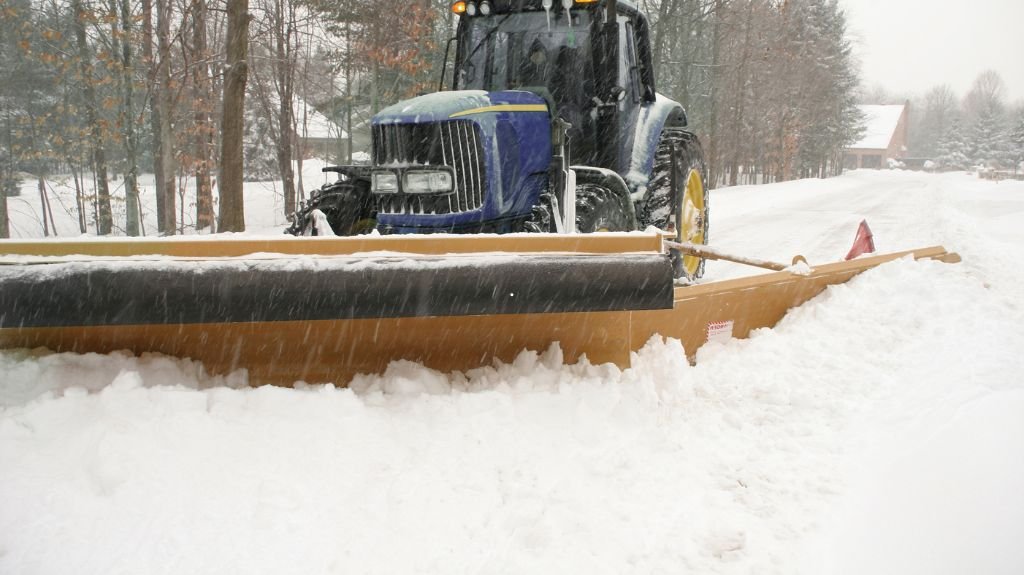
To protect your lawn from snow plow damage, mark pavement edges, choose snow-storage zones, and give clear instructions before snowfall. The right plan depends on your driveway shape, drainage, turf borders, and snow-clearing method. These steps help keep plow blades, tires, salt, and dirty snow away from vulnerable grass.
Snow can hide a driveway edge within hours, especially around curves, gravel, and narrow lawn strips. A blade may scrape sod or push salt-heavy slush into turf without anyone noticing until spring. Early planning takes less effort than repairing bare patches after the thaw.
A short walk around the property before winter can prevent many common problems. Start with the areas where pavement, grass, drainage, and planted features meet.
What causes snow plow damage to lawns?
Snow plows can damage lawns when blades, tires, snow piles, and de-icing material reach turf beyond the paved edge. To protect your lawn from snow plow damage, account for physical scraping, soil pressure, and salt runoff. Snow cover makes pavement borders hard to see, while heavy equipment can leave ruts if it travels over soft ground.
Which parts of your property are most at risk?
Driveway edges, curves, gravel transitions, and tight turnaround areas face the most lawn damage from snow plowing. Garden beds, trees, culverts, drainage swales, irrigation heads, and low lights also need attention before snow arrives. Low-visibility areas need markers because an operator cannot rely on summer landmarks once snowbanks build.
What lawn damage may appear after snow melts?
Spring damage can include torn sod, bare strips, ruts, matted grass, standing water, gravel, and brown turf near salted pavement, and research on snow manipulation effects on turf shows how prolonged snow and ice cover can also contribute to overwintering disease and frost damage in pasture grasses. patchy lawn solutions may also relate to shade, poor drainage, soil compaction, disease, or weak soil conditions. Check the likely cause before reseeding or installing new sod, since surface repairs may not last.
How do you protect your lawn before the first snowfall?
You protect your lawn before snowfall by marking boundaries, clearing hazards, and selecting safe snow-storage areas. To protect your lawn from snow plow damage, complete these tasks book snow removal and driveway edges disappear. A simple plan also keeps access routes, drainage paths, and sightlines clear through winter.
How should you mark driveway edges and hidden property features?
Tall, flexible stakes with reflective bands give plow operators a clear line to follow in darkness and heavy snow, a tactic highlighted in guides on protecting grass from snow plow tips that recommend marking edges before the first major storm. Mark both sides of the driveway, with extra stakes at curves, entrances, narrow turf strips, and turnaround areas. Set markers just outside the equipment path, then mark culverts, garden borders, trees, fresh sod, drainage features, and low outdoor items.
Take photos during a pre-season walk around the property, particularly for rentals and commercial sites. Photos show the condition of pavement, sod edges, curbs, and planted areas before winter starts. To protect your lawn from snow plow damage, share those photos or a simple site map with anyone clearing snow.
Where should you pile snow to protect grass and drainage?
Dedicated snow-storage areas help protect grass by keeping deep, dirty piles away from turf and drainage routes. Choose space away from gardens, young trees, foundations, sidewalks, exits, catch basins, and driveway sightlines, following the same landscaping protection guide approach of designating snow-storage zones that keep piles clear of vulnerable plantings. Avoid pushing salted road snow or parking-lot slush onto healthy lawn whenever practical.
Spread snow across suitable areas instead of stacking every storm on the same patch of grass. Large piles melt slowly and may leave sand, gravel, salt residue, and compacted turf behind. Keep snow away from accessible paths, garbage areas, fire access points, culverts, and low spots where meltwater can pool.
Which snow removal practices prevent lawn damage?
Careful equipment use prevents many cases of snow removal damage to lawns. To protect your lawn from snow plow damage, operators need to stay on hard surfaces and slow down near uncertain borders. Clear property instructions matter just as much for a homeowner’s driveway as for a busy commercial lot.
How Should Snow-Clearing Equipment Be Used Near Lawn Edges?
Plow blades and shoes should suit the driveway surface and edge conditions. Operators should slow down at curves, islands, planted areas, and unclear pavement borders, a caution reinforced by research on winter road maintenance safety showing how vehicle speed and route data affect outcomes during snow-clearing operations. Avoid sharp turns, repeated passes, and turf turnaround zones, since heavy equipment can compact thawing soil and leave deep ruts.
What Should You Tell Your Snow Removal Provider Before Winter?
Give your snow-removal provider a walkthrough, photos, or a site map before the first storm. Show lawn edges, no-plow zones, snow-storage areas, drainage features, fresh planting work, and places that need hand clearing or smaller equipment. Explain access needs for seniors, tenants, commercial entrances, pedestrian routes, and accessible spaces.
snow shoveling service or controlled snow blowing may suit tight properties where truck plows could reach turf. Confirm where snow should go and how ice control should work before snow falls. To protect your lawn from snow plow damage, report new sod, paving work, or property changes as soon as they occur.
How Do You Repair Lawn Damage After Snow Plowing?
Spring repair starts with a careful inspection after snow melts and soil firms up, similar to the process described in guidance on repairing snowplow damage to lawns, which outlines what to do and what to avoid before reseeding. To protect your lawn from snow plow damage in future winters, correct the source of damage before adding seed or sod. Wet ground can compact easily, so avoid heavy foot traffic and machinery until you can walk without sinking.
When Is Your Lawn Ready For Spring Repair?
Your lawn is ready for repair when the soil feels firm underfoot and deep footprints no longer remain. Remove sand, gravel, branches, and debris before topdressing, seeding, or sod work. Check for torn sod, exposed soil, prevent black ice, snow mould, poor drainage, and damaged edging before choosing a repair method.
Should You Aerate, Overseed, Or Replace Damaged Sod?
Core aeration removes small soil plugs to relieve compaction and help air and water move through the root zone. Overseeding suits thin areas where soil is sound and living grass remains. Sod often suits large bare strips or torn driveway edges where quicker cover is needed.
Regrade low spots and redirect salty runoff before prep for sod installation, or the same damage may return. In Fredericton, late summer to early fall may suit major aerate your lawn because grass can establish before winter. Spring can also work for smaller repairs when weather and soil conditions support growth.
How Can A Seasonal Plan Reduce Repeat Lawn Damage?
A seasonal plan links fall lawn care, winter clearing, and spring cleanup so the same turf problems do not return. To protect your lawn from snow plow damage, review your property before winter and inspect it after major storms. Repeat bare strips often point to poor drainage, salt runoff, compaction, or an unsafe plow route.
| Season | Property Task | Lawn Benefit |
|---|---|---|
| Fall | Mark edges and check drainage | Helps equipment stay on pavement |
| Winter | Check stakes and snow piles | Limits salt buildup and turf pressure |
| Spring | Remove debris and repair causes | Supports stronger turf recovery |
Atlantic Lawn & Snow can help coordinate snow removal, spring cleanup, aeration, overseeding, and sod installation as connected seasonal services. If the same lawn edge suffers each year, arrange a pre-season property review before winter begins.
Summary
The most practical snow plow lawn protection tips are visible markers, planned snow storage, careful equipment use, and measured de-icing. To protect your lawn from snow plow damage, keep blades and snow piles away from turf while maintaining safe access to doors, driveways, and walkways. After snowmelt, inspect damaged areas and correct drainage, salt exposure, or compaction before reseeding.
A plan should fit your driveway layout, planted areas, drainage, and winter access needs. Small changes before the first storm can prevent torn sod, brown salt strips, and spring repair work. Clear instructions also help any snow-clearing crew work around your property with fewer surprises.
FAQs
These lawn protection winter snow removal questions cover marker removal, snow mould, salt exposure, and repair timing. Conditions vary by weather, turf health, property layout, and service agreement. Check your site after snowmelt before making major lawn repairs.
When Should I Remove Driveway Snow Markers?
Remove driveway markers after snow has melted, plowing is no longer needed, and the ground is firm enough for safe access. Leaving them in place can interfere with spring cleanup and mowing. Check for bent or broken stakes, then replace them before the next winter.
Can Snow Mould Kill Grass Permanently?
Light snow mould often affects grass blades and may recover after drying and gentle raking. Severe or repeat patches may need overseeding after you review drainage, leaf cover, and snow-pile placement. Avoid long-lasting piles on the same turf area where possible.
Who Is Responsible If A Snow Plow Damages My Lawn?
Responsibility depends on the service agreement, site instructions, property condition, and what happened during service. Take dated photos before winter and after damage appears. Discuss the issue promptly and factually with the contractor rather than assuming fault.
Can I Put Mulch Or Gravel Along My Driveway To Protect The Grass?
A defined border can show where pavement ends, but mulch before freezing weather may get pushed into grass by plows. Any edging should sit safely outside the plow path and suit drainage needs. Review snow-storage locations before adding a new border.
What Should I Do If Road Salt Keeps Damaging The Same Strip Of Grass?
Reduce future salt exposure by changing snow placement, improving runoff direction, or widening the separation between pavement and turf. Reseeding alone may fail if salty meltwater reaches the same strip each winter. Check soil and drainage before replacing damaged sod.